Review: Spring Flower 3d Svg Laser Cut Design
As a designer who spends half my life digitizing patterns and the other half testing them on actual fabric, I have learned to be skeptical of files that promise versatility without delivering practical utility. When I first pulled up the Spring Flower 3d Svg Laser Cut Design, my initial reaction was one of cautious curiosity. The title suggests a focus on laser cutting, which is a distinct craft from machine embroidery, yet the visual language of the design holds significant potential for textile applications if approached with the right technical mindset.
In the world of handmade products, cross-disciplinary assets are becoming increasingly valuable. An Etsy seller or small shop owner often needs a cohesive visual theme that works across different mediums. This file, available in formats like Ai, EPS, SVG, PNG, PDF, DXF, and DWG, offers a robust foundation for such versatility. However, for those of us focused on stitching, the question remains: how does this graphic translate when subjected to needle and thread?
First Impressions and Visual Mood
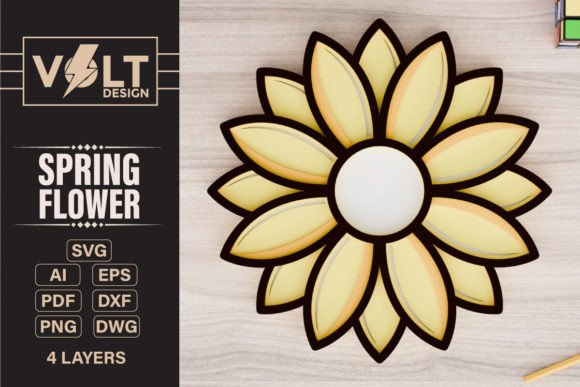
The aesthetic of the Spring Flower 3d Svg Laser Cut Design is clean, organic, and inherently cheerful. It captures the essence of spring without relying on overly complex shading or unrealistic details. For an embroidery project, this simplicity is a strength. Complex gradients often fail in stitching unless you are using high-end photo-realistic techniques, which can be time-consuming and prone to errors on home machines. This design’s bold lines and clear shapes suggest a modern, boutique feel that would appeal to customers looking for fresh, seasonal decor or apparel.
The "3D" aspect mentioned in the title likely refers to the layered potential of the vector paths. In a laser cutting context, this means stacking materials. In embroidery, this translates beautifully to applique work or layered satin stitches. The layout feels balanced, making it suitable for central placement on items like tote bags or pillow covers, where symmetry and visual weight matter greatly.
Real-World Application: The Custom Tote Scenario
To truly evaluate a design, I imagine it in a real-life production scenario. Let’s say I am preparing a batch of custom canvas tote bags for a local farmer’s market spring launch. I need a design that is eye-catching but durable. Using the Spring Flower 3d Svg Laser Cut Design as a reference for digitizing, I see immediate potential for a two-tone applique approach.
By using the vector paths to cut fabric pieces for the flower petals and then securing them with a tight satin stitch or a decorative running stitch, I can achieve a textured, professional look that mimics the layered effect of laser-cut wood or acrylic. This method reduces stitch count compared to a full fill stitch, which minimizes puckering on heavy canvas. The result is a handmade product that feels premium and sturdy, rather than stiff and over-stitched.
Alternatively, for a sweatshirt embroidery project, the design could be simplified into a single-color outline or a light fill stitch. The clean lines ensure that the motif remains recognizable even from a distance, which is crucial for custom apparel intended for casual wear. Customers reacting to this design would likely perceive it as trendy and thoughtful, enhancing the perceived value of the garment.
Navigating Technical Challenges
While the design is visually appealing, there are areas where caution is necessary. Embroidery is not merely printing with thread; it involves physical manipulation of fabric. If you plan to use this design on stretchy fabrics, such as jersey knits for baby clothes or caps, you must prioritize stabilization. The open spaces in floral designs can sometimes lead to fabric distortion if the surrounding stitches pull too tightly.
For baby embroidery items, softness is paramount. A dense fill stitch might make the area stiff and uncomfortable against sensitive skin. In this case, I would recommend reducing the stitch density or opting for a running stitch outline to maintain the shape without adding bulk. Similarly, on curved surfaces like hats, the scale of the design must be adjusted. A large, intricate flower may warp when stitched on a small cap panel, so scaling down and simplifying the internal details is a smart move.
Another consideration is fabric texture. On textured towels or rough linen, fine details can get lost. The Spring Flower 3d Svg Laser Cut Design has enough structural integrity to hold up on these surfaces, provided the thread color contrasts well with the background. Testing on scrap fabric is non-negotiable here. I always advise checking the design in black and white mockups first to ensure the silhouette is strong enough to stand alone without relying on color gradients.
Commercial Viability and Brand Consistency
For craft business owners and digital product sellers, consistency is key to building trust. If you are selling Wall Decor made via Laser Cutting and want to expand into textiles, using the same core design asset ensures brand recognition. A customer who buys a laser-cut wooden flower sign might later return for a matching embroidered pillow cover. This cross-selling strategy relies on the design’s adaptability.
However, before listing any finished product or digital embroidery file derived from this SVG, you must verify the licensing terms. The product description lists various file types but does not explicitly state commercial usage rights for embroidery. Always confirm whether the license allows for the creation of physical goods for sale or if it is restricted to personal use. This step is critical for maintaining professionalism and avoiding legal issues down the line.
Practical Designer Notes
If you are ready to incorporate this design into your workflow, keep these practical tips in mind:
- Test on Scrap Fabric: Always run a test stitch-out on the same type of fabric you intend to use for the final product. This helps identify tension issues or puckering early.
- Check Thread Contrast: Ensure your thread colors pop against the fabric. High contrast enhances the visibility of the design’s shape, especially for simpler stitch types.
- Review Stitch Density: If digitizing from the SVG, avoid over-filling areas. Less is often more when aiming for a soft, drapeable finish on apparel.
- Confirm Hoop Size: Make sure the design fits comfortably within your hoop size, leaving enough margin for stable clamping.
- Inspect Small Details: Tiny elements in the original vector may need to be thickened or removed to prevent thread breaks or poor coverage.
- Use Proper Stabilizer: Match your stabilizer to the fabric weight. Cut-away stabilizers are best for stretchy knits, while tear-away works well for woven cottons.
In conclusion, the Spring Flower 3d Svg Laser Cut Design is a versatile asset that bridges the gap between rigid material crafting and flexible textile art. While it originates as a laser cutting file, its clean geometry and organic theme make it an excellent candidate for embroidery projects ranging from holiday gifts to everyday small shop products. By approaching it with a designer’s eye for detail and a technician’s understanding of fabric behavior, you can transform this digital file into a tangible, high-quality product that resonates with customers. Whether you are creating a personalized gift or expanding your boutique’s inventory, this design offers a solid foundation for creative exploration.