Mushroom House 3D SVG: A Designer’s Review
As a designer who spends half my life digitizing patterns and the other half testing them on actual fabric, I have learned to be skeptical of trendy assets. The market is flooded with cute concepts that look fantastic on a screen but turn into a tangled mess under the needle. When I first encountered the Mushroom House 3D Svg Laser Cut Crafting file, my initial reaction was curiosity mixed with caution. The whimsical, cottage-core aesthetic is undeniably popular right now, but does it translate well to textile arts? More importantly, how does a file marketed primarily for laser cutting hold up when we try to adapt its geometry for embroidery?
I decided to put this design through its paces, not just as a digital asset, but as a potential centerpiece for a real-world product. My goal was to determine if this could serve as a viable machine embroidery design for my small shop clients, or if it was strictly bound to wood and acrylic projects.
First Impressions: Mood and Visual Personality
The immediate appeal of the mushroom house motif is its warmth. It evokes a sense of nostalgia, fantasy, and cozy domesticity. For an embroidery project, this mood is gold. It fits perfectly into the current trend of nature-inspired home goods and whimsical children’s apparel. The shape is organic yet structured, which usually translates well to stitching because it allows for a mix of satin stitch borders and fill stitch interiors.
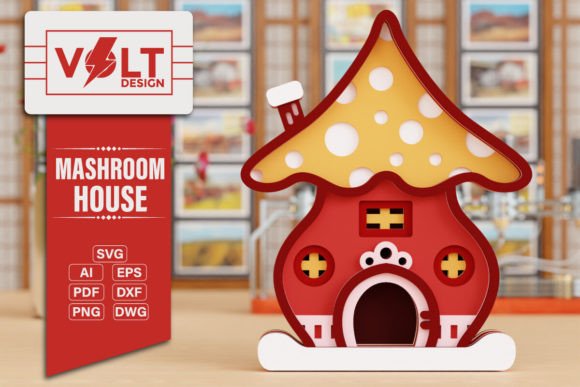
However, viewing this as a Wall Decor item originally intended for Laser Cutting means we have to look at the lines differently. Laser files rely on clean, closed vectors for cutting paths. In embroidery, those same lines need to become stitches. The "3D" aspect mentioned in the title suggests depth, likely achieved through layering in a laser context. In embroidery, we create that depth through thread weight, color shading, and stitch direction. The design’s layout feels balanced, with a central focal point that draws the eye, making it a strong candidate for items where you want immediate visual impact, like a tote bag or a pillow cover.
Real-World Application: From Screen to Stitch
To test the viability of this asset, I imagined a specific client request: a custom embroidered tote bag for a local botanical garden’s gift shop. The client wanted something unique, not just a standard floral print. This is where the mushroom house concept shines. It is distinctive enough to stand out as a small shop product but universal enough to appeal to a broad audience.
If I were adapting this embroidery file for a sweatshirt, I would focus on the roof and the stem of the mushroom. These areas offer great opportunities for texture. Using a dense fill stitch for the cap and a lighter, more open stitch for the house windows could create that promised 3D effect without adding excessive bulk. For a baby embroidery project, such as a onesie or a nursery blanket, the soft curves of the mushroom are ideal. They are gentle and friendly, avoiding the sharp angles that can sometimes look aggressive on infant wear.
For custom apparel like caps or hats, the design would need significant simplification. Curved surfaces distort complex images. If the original file contains tiny details meant for laser precision, those will get lost in the fabric texture. I would recommend isolating the main silhouette of the house and the mushroom cap, removing any intricate background elements that might clutter the hoop size constraints of a standard cap frame.
Navigating Technical Challenges
Here is the reality check: a file designed for laser cutting is not automatically ready for embroidery. Lasers cut through material; needles punch through it. This distinction is critical. If you attempt to use the raw vector data from the Ai file, EPS file, or SVG file provided in the package without proper digitizing, you will run into issues.
Stitch density is the primary concern. Laser designs often have tight corners and thin lines. In embroidery, thin lines require satin stitches, which can pull and pucker if the fabric is not properly stabilized. If the mushroom house has very small windows or door details, these might need to be converted to simple running stitches or even omitted entirely if they are below the minimum stitch length of your machine. I always advise testing the design on scrap fabric first. Check how the thread colors interact. A dark thread on a dark fabric will hide the detail, while high-contrast choices will make the design pop but may highlight any imperfections in the stitching.
Fabric choice matters immensely. For a tote bag design using heavy canvas, the structure of the mushroom house will hold up well. However, if you are applying this to a stretchy t-shirt or a thin silk scarf, you must use a cut-away stabilizer to prevent distortion. The weight of the threads in a filled area can cause lightweight fabrics to sag or wrinkle, ruining the finished product.
Commercial Value and Brand Consistency
For Etsy sellers and creative entrepreneurs, the value of a design lies in its versatility and professional appearance. A well-executed mushroom house embroidery adds perceived value to a plain item. It transforms a generic pillow into a personalized gift or a boutique decor piece. Customers associate intricate embroidery with quality and care. If the stitching is clean and the design is charming, it builds trust in your brand.
When creating printable mockups or digital previews for your shop, ensure that the representation matches the physical reality. Do not oversell the complexity if the stitch count is low. Honesty in presentation leads to better customer reviews. This design, with its recognizable silhouette, is excellent for brand consistency if you are building a line of nature-themed goods. It pairs well with other botanical motifs, allowing you to create cohesive collections for holiday embroidery seasons or spring launches.
Practical Notes for the Embroiderer
Before you commit to a large production run or a high-stakes client project, keep these practical steps in mind:
- Verify the License: The product description lists various file formats like DXF, DWG, and PNG. Ensure you understand the licensing terms. Just because you have the file does not mean you have the right to sell the embroidered items commercially. Always confirm this with the creator.
- Digitize with Care: If this is not already a native embroidery format (like PES or DST), you will need to digitize it. Pay attention to underlay stitches to anchor the design securely.
- Test Contrast: Run a test on both light and dark fabrics. You may need to adjust thread shades to maintain visibility.
- Check Hoop Compatibility: Ensure the design fits within your standard hoops. If it is too large, consider splitting it or scaling it down, keeping in mind that smaller sizes lose detail.
- Inspect Small Details: Zoom in on the digital file. Are there tiny elements that will break needles or bunch up? Simplify them before stitching.
In conclusion, the Mushroom House 3D Svg Laser Cut Crafting asset is a promising starting point for creative projects. While it originates from a laser-cutting context, its visual charm translates beautifully to embroidery when handled with technical expertise. It offers a unique blend of whimsy and structure that appeals to modern consumers. By respecting the limitations of fabric and thread, and by carefully adapting the design for the embroidery hoop, you can create stunning, high-value items that stand out in a crowded marketplace. Whether for a craft business or a personal hobby, this design invites you to play with texture and form, resulting in a truly memorable handmade product.