Reviewing the Decorative Easter Egg SVG for Embroidery
As a designer who spends half my life staring at digitized paths and the other half pulling thread jams out of bobbin cases, I approach new design assets with a healthy dose of skepticism. We are constantly bombarded with bundles promising to elevate our craft business, but few files survive the transition from screen to fabric without some serious tweaking. Recently, I took a close look at the Decorative Easter Egg LaserCut SVG File. While the title suggests it is intended for laser cutting, my interest was piqued by its potential adaptation for machine embroidery. Could this intricate vector art translate into a stunning embroidery project, or was it destined to remain a paper craft novelty?
First Impressions: Mood and Visual Personality
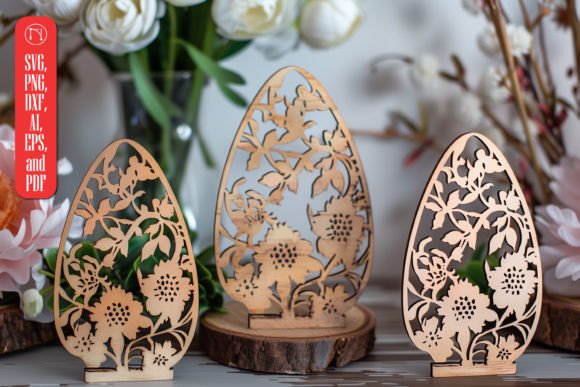
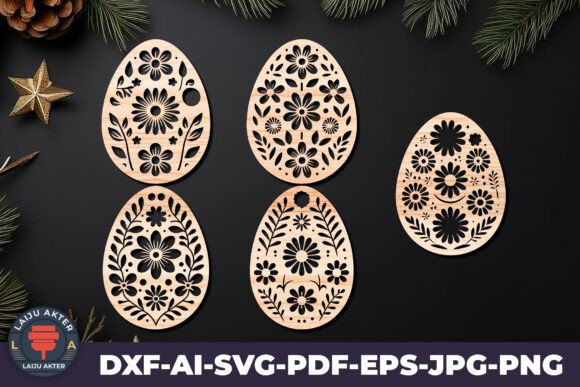
The first thing that strikes you about this collection is the delicate balance between complexity and whimsy. The shapes are not your standard, cartoonish Easter eggs. Instead, they feature ornate, lace-like patterns that evoke a sense of vintage elegance. For a designer, this is a double-edged sword. The visual personality is strong, creating an immediate mood of springtime sophistication. However, that intricacy raises red flags for embroidery. In laser cutting, these fine lines are cut away, leaving negative space. In embroidery, we must fill that space with thread.
The layout of the designs suggests they are meant to be standalone statements. They do not rely on heavy borders or background fills, which is a positive sign for versatility. When I visualized this as a machine embroidery design, I immediately thought of applique. Trying to stitch these fine details as solid fills would result in a dense, stiff patch that lacks drape. But as an applique template, where the SVG guides the placement of fabric layers, the design shines. It offers a structured framework for creative layering, allowing the fabric texture to play a significant role in the final aesthetic.
Real-World Application: The Tote Bag Test
To truly evaluate the Decorative Easter Egg LaserCut SVG File, I imagined a specific client request: a set of custom tote bags for a boutique bakery’s spring promotion. The client wanted something elegant, not childish. This is where the design’s potential becomes clear. Using the SVG as a guide for an applique design, I could select a linen-cotton blend for the base and contrasting satin fabrics for the egg shapes.
In this scenario, the intricate cutouts of the SVG would not be stitched out entirely. Instead, the outer boundary would be a secure running stitch or narrow satin stitch to hold the applique fabric in place. The internal details could be suggested through strategic stitching or left as open negative space, depending on the desired durability. For a tote bag design that will see heavy use, simplifying the internal details is crucial. If I were to stitch every tiny curve, the bag would become rigid. By adapting the file, I can maintain the visual impact while ensuring the finished product remains functional.
Sweatshirts and Baby Items
Moving beyond totes, I considered how this design would perform on softer garments. For sweatshirt embroidery, the bulk of the thread is a concern. A complex, multi-layered egg design could feel heavy on a fleece hoodie. Here, I would recommend using the SVG to create a simplified outline version. A single color satin stitch tracing the main contours would capture the essence of the design without adding unnecessary weight. This approach works beautifully for personalized gift items, where subtlety often sells better than flashiness.
For baby embroidery, safety and comfort are paramount. The sharp points and tiny details in the original SVG need to be smoothed out. No parent wants a scratchy, dense patch on a onesie. By scaling up the design and reducing the stitch density, we can create a soft, breathable motif. The key is to treat the SVG as a inspiration source rather than a rigid blueprint. The ornate patterns can be interpreted with wider stitches and fewer color changes, making it suitable for delicate skin.
Technical Challenges and Fabric Considerations
It is vital to discuss where this design requires caution. If you attempt to stitch the full complexity of the Decorative Easter Egg LaserCut SVG File directly onto stretchy fabric, you will likely face puckering. The tension required to hold such detailed lines can distort knits. Always use a high-quality cut-away stabilizer for garments that will be washed frequently. For woven fabrics like tea towels or aprons, a tear-away stabilizer might suffice, but test it first.
Dark fabrics present another challenge. The light, airy nature of the design relies on contrast. On black or navy, the details might get lost unless you use high-sheen threads like rayon or polyester in bright, contrasting colors. I always recommend creating a printable mockup in black and white before stitching. If the design loses its definition in grayscale, it will likely look muddy when stitched. This step saves time and thread, ensuring your Etsy seller listings showcase a crisp, professional image.
Enhancing Brand Value and Customer Trust
Why go through the trouble of adapting a laser-cut file for embroidery? Because uniqueness drives sales. In a market saturated with generic bunny and chick motifs, an ornate, lace-style egg stands out. It signals to the buyer that the small shop product is thoughtfully curated. For commercial embroidery projects, this level of detail can justify a higher price point. It moves the item from a simple craft to a piece of wearable art.
Consistency is key for brand building. If your shop specializes in vintage-inspired goods, this design fits seamlessly into your design assets library. It allows you to create a cohesive collection across different products—pillow covers, caps, and kitchen linens—all sharing the same visual language. This recognition builds customer trust. They know what to expect from your brand: quality, elegance, and attention to detail.
Practical Designer Notes
Before you purchase or download this file for your next holiday embroidery rush, keep these practical tips in mind:
- Check the License: Since this is marketed as a laser-cut SVG, verify if the license permits use in commercial embroidery. Some creators restrict digital files to specific crafts. Ensure you have the right to sell the handmade product.
- Test on Scrap Fabric: Never stitch a new, complex design on your final garment. Use scrap pieces of the same fabric to test tension, density, and stabilizer compatibility.
- Simplify for Small Hoops: If you are working with a 4x4 hoop, you will need to significantly reduce the detail. The intricate lines may merge together, creating a blob of thread rather than a defined shape.
- Thread Color Contrast: Choose threads that highlight the design’s structure. Monochromatic schemes can look sophisticated, but high contrast ensures the details are visible from a distance.
- Digitize with Care: If you are converting the SVG yourself, pay attention to underlay stitches. Proper underlay prevents shifting and provides a foundation for the top stitches, crucial for maintaining the design’s integrity.
In conclusion, the Decorative Easter Egg LaserCut SVG File is a versatile asset for the creative entrepreneur willing to put in the work. It is not a plug-and-play solution for embroidery, but with thoughtful adaptation, it can elevate your Spring collection. Whether you are creating a unique embroidered patch for a cap or a delicate accent on a baby blanket, this design offers the raw material for something special. Just remember: the magic lies not in the file itself, but in how you translate it to thread and fabric.