Groovy Seventies Stacked Canva Frame Review
As an embroidery designer who spends more time than I care to admit staring at stitch density charts and testing thread tensions, I approach every new design asset with a healthy dose of skepticism. We have all seen the "perfect" mockups that fall apart in real life—where intricate details turn into muddy blobs or where the fabric puckers because the digitizer ignored basic physics. That is why I decided to put Groovy Seventies Stacked Canva Frame through its paces before recommending it for any client work or small business inventory.
The premise here is straightforward but appealing: a template that allows you to drag and drop patterns or images into letter forms. It promises efficiency for craft business owners and Etsy sellers who need to churn out personalized products quickly. But does it hold up when converted into a physical machine embroidery design? Let’s break down the practical realities of using this graphic asset in your studio.
First Impressions and Visual Personality
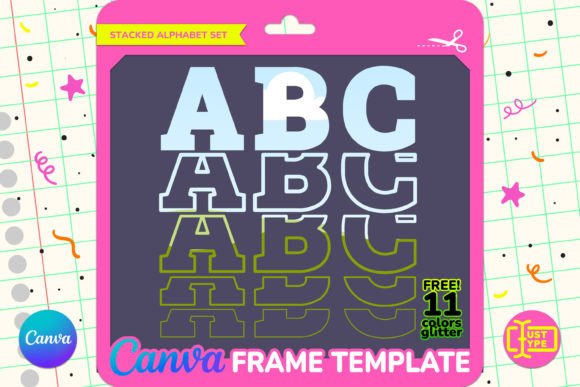
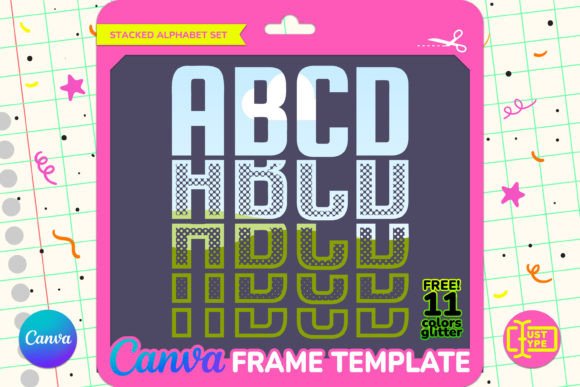
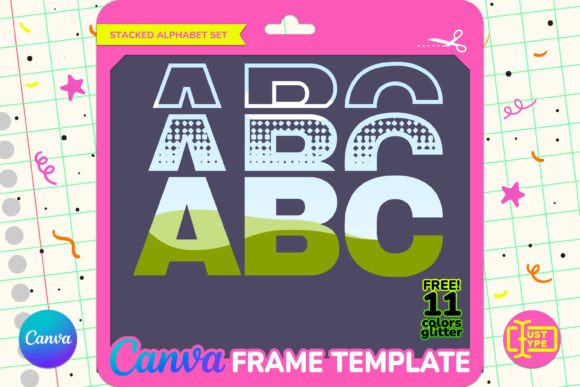
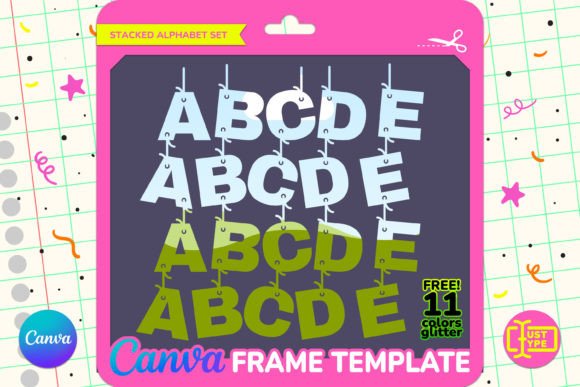
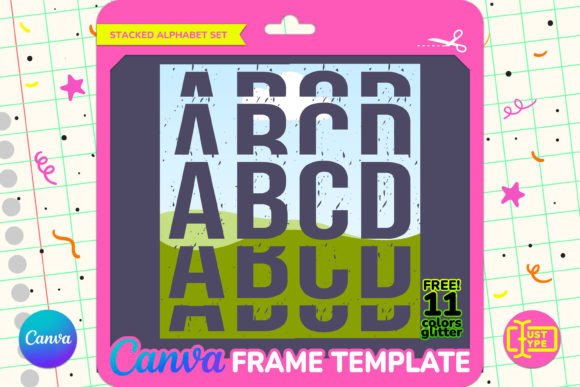
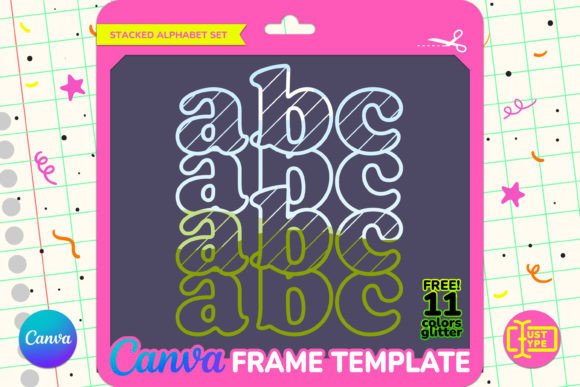
When I first loaded the Groovy Seventies Stacked Canva Frame into my workspace, the immediate takeaway was the mood. It screams retro warmth without being overwhelming. The stacked layout creates a natural hierarchy that works beautifully for text-heavy designs, which is crucial if you are planning to offer personalized gift options like names or dates. The visual personality is playful yet structured, making it versatile enough for both casual wear and slightly more curated boutique items.
For designers, the appeal lies in the adaptability. Because it is built as a Graphics template within Canva, you are not locked into a single rigid composition. You can swap out the internal patterns to match seasonal trends—think floral motifs for spring or bold geometric shapes for modern minimalist aesthetics. This flexibility is a huge plus for creative entrepreneurs who want to keep their product lines feeling fresh without reinventing the wheel every month.
Real-World Application: The Tote Bag Scenario
To truly test the viability of this design, I imagined a specific use case: a custom embroidered tote bag for a local artisan market. Totes are a staple for many small shop product lines, but they present unique challenges. The canvas fabric is often thick and textured, which can obscure fine details.
Using the Groovy Seventies Stacked Canva Frame on a tote requires careful consideration of scale. If the design is too small, the "groovy" elements will get lost in the weave of the fabric. However, when scaled appropriately, the bold lines of the frame provide excellent contrast against natural cotton or linen backgrounds. I found that pairing this design with a high-contrast thread color—like mustard yellow on navy blue or cream on black—enhanced the retro vibe significantly. The stacked nature of the letters allowed me to incorporate smaller decorative elements between the words, adding depth to what could otherwise be a flat design.
This approach transforms a simple tote into a statement piece. Customers at craft fairs respond well to designs that feel intentional and stylish. By leveraging the design assets provided in the template, I was able to create a look that felt cohesive and professional, increasing the perceived value of the finished product.
Performance Across Different Projects
Beyond totes, this design has potential across a wide range of embroidery project types. Here is how it translates to other common applications:
- Sweatshirt Embroidery: The relaxed fit of sweatshirts complements the laid-back seventies aesthetic. The frame works well centered on the chest or placed asymmetrically for a modern touch. Just ensure you use a cut-away stabilizer to prevent shifting during stitching.
- Baby Embroidery: For onesies or burp cloths, the soft curves of the retro font are gentle and appealing. However, avoid placing dense stitch areas near seams or elastic bands where comfort might be compromised.
- Holiday Embroidery: The template’s modular nature makes it easy to theme for holidays. Swap the inner graphics for snowflakes or pumpkins, and you have a quick-to-produce line of seasonal gifts.
- Embroidered Patch: The defined border of the frame naturally lends itself to patch creation. A clean satin stitch around the edge would give it a polished, badge-like appearance suitable for denim jackets or backpacks.
Where Caution Is Required
No design is perfect for every situation, and Groovy Seventies Stacked Canva Frame is no exception. There are specific scenarios where you need to exercise caution to maintain quality.
First, consider hoop size limitations. If you attempt to stitch this design on a very small hoop, such as one used for jewelry boxes or tiny accessories, the fine details may become indistinguishable. Always preview the design in your software to ensure the smallest elements remain legible.
Second, fabric texture plays a major role. On highly textured fabrics like bouclé or heavy terry cloth, the stitch density might not penetrate evenly, leading to skipped stitches or uneven coverage. Similarly, stretchy fabrics require a strong tear-away or wash-away stabilizer to prevent distortion, especially if the design includes large fill stitch areas.
Additionally, be mindful of thread colors on dark fabrics. Light-colored threads can sometimes appear dull or require multiple passes to achieve opacity, which increases stitching time and potential fabric damage. Test your color choices on scrap pieces of your actual production fabric whenever possible.
Practical Designer Notes for Success
If you decide to incorporate this template into your workflow, here are some essential steps to ensure a smooth process:
- Test on Scrap Fabric: Never run a full production job without a test stitch-out. Check for tension issues, thread breaks, and overall clarity.
- Review Stitch Density: Ensure the design is not overly dense, which can make the final product stiff and uncomfortable. Adjusting the underlay stitches can help reduce bulk.
- Check Licensing: Before selling commercial embroidery items, verify the license terms of the Canva template. Some free templates restrict commercial use, while others allow it with attribution. Protect your business by understanding these rules.
- Use Proper Stabilizer: Match your stabilizer to the fabric weight and type. A wrong choice is the most common cause of poor embroidery results.
- Black and White Mockups: View your design in grayscale to check contrast levels. This helps identify areas where detail might be lost due to low contrast between thread and fabric.
Final Verdict
The Groovy Seventies Stacked Canva Frame is a solid tool for designers looking to add a touch of nostalgia to their collections. Its strength lies in its adaptability and clear visual structure, making it suitable for everything from custom apparel to printable mockups. While it requires standard precautions regarding fabric choice and stabilization, it offers great potential for creating engaging, high-quality handmade products.
For digital product sellers and makers who value efficiency without sacrificing style, this template is worth exploring. Just remember that good embroidery relies on preparation and attention to detail. By treating the template as a starting point rather than a finished solution, you can create finished product lines that resonate with customers and stand the test of time.