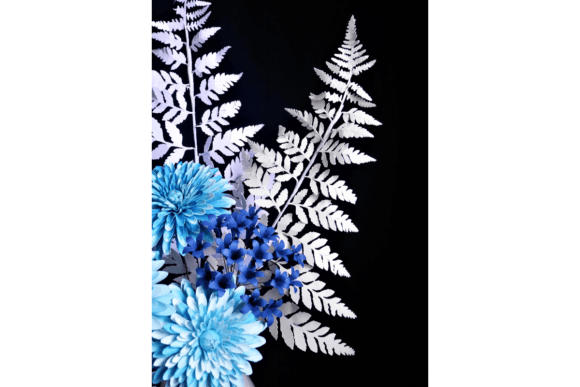
Ginkgo Plant 3D SVG for Elegant Flowers
As a brand designer and content marketer, I am constantly evaluating new assets not just for their aesthetic appeal, but for their strategic utility in real-world campaigns. Recently, I integrated the Ginkgo Plant into a comprehensive visual refresh for a boutique lifestyle brand. This was not merely an exercise in decoration; it was a test of how organic, botanical elements can elevate professional branding without sacrificing clarity or modern sensibility. The asset in question is a sophisticated 3D SVG that captures the distinct, fan-shaped foliage of the ginkgo tree, offering a versatile tool for creators who value both elegance and technical precision.
First Impressions: Mood, Tone, and Audience Perception
The immediate impact of the Ginkgo Plant design is one of refined tranquility. In a market saturated with loud, high-contrast graphics, this asset offers a breath of fresh air. It evokes a sense of timeless nature, bridging the gap between traditional botanical illustration and contemporary modern design. For brand owners, this mood is crucial. It signals to the audience that the brand values quality, patience, and natural beauty.
When reviewing this piece, I noted its suitability for premium visuals rather than casual, disposable content. It feels at home in contexts that require a touch of sophistication, such as handmade product launches, wellness coaching materials, or editorial features. The emotional tone is calming yet authoritative, making it an excellent choice for building audience trust. It does not shout for attention; instead, it invites the viewer to look closer, creating a stronger emotional connection through subtle visual storytelling.
Strategic Application in Marketing and Brand Identity
In practical terms, the Ginkgo Plant serves as a powerful component of a broader brand identity. During the project, we utilized this graphic design asset across multiple touchpoints to ensure visual consistency. Its vector-based nature means it scales infinitely without losing quality, a critical feature for both large-format packaging design and tiny product label details.
For social media graphics, the asset proved invaluable. We created a series of Instagram posts where the ginkgo leaves framed key messaging, providing a natural border that guided the eye toward the call-to-action. On Pinterest, the intricate details of the Flowers and leaves performed well in vertical pins, driving traffic to blog posts about seasonal self-care. The versatility of the SVG design allowed us to adjust colors to match the brand’s palette seamlessly, ensuring that every pin felt cohesive with the overall content marketing strategy.
Beyond social media, the asset enhanced our email banners and website headers. By using the ginkgo branches as subtle background elements, we added depth to otherwise flat digital spaces. This approach improved the visual hierarchy, allowing text to remain legible while the design provided context and atmosphere. For small business owners looking to elevate their digital ads, this type of layered, organic imagery can significantly increase engagement rates by breaking the monotony of standard corporate stock photography.
Enhancing Visual Hierarchy and Campaign Memorability
One of the primary goals of any creative design is to support the message, not overpower it. The Ginkgo Plant excels in this regard. Its distinctive leaf shape creates natural leading lines that can direct viewer attention. In our campaign for a new seasonal offer, we placed the ginkgo branches in the corners of the layout, framing the central product image. This technique created a clearer visual hierarchy, ensuring that the product remained the focal point while the botanical elements added a layer of premium appeal.
This strategic placement contributes to more memorable campaign visuals. When audiences see consistent use of specific botanical motifs across marketing visuals, from Canva template stories to printed flyers, it reinforces brand recognition. The Ginkgo Plant becomes a visual shorthand for the brand’s values. For content creators and online coaches, this consistency is vital for establishing authority and professionalism in a crowded creative marketplace.
Ideal Use Cases and Contextual Limitations
Understanding where an asset shines is equally important as knowing where it might fail. The Ginkgo Plant works best in hero graphics, campaign headers, and decorative brand elements. It is particularly effective in editorial design layouts where whitespace is abundant, allowing the intricate details of the leaves to breathe. It also performs exceptionally well in printable design applications, such as wedding invitations, event flyers, and high-quality stickers, where the crisp lines of the vector file translate beautifully to paper.
However, caution is required in certain contexts. This asset should be used carefully in formal corporate branding that relies on rigid, geometric structures, as the organic flow of the ginkgo may clash with strict grid systems. Additionally, avoid using it in dense information layouts or text-heavy ads. The detailed nature of the leaves can compete with small font sizes, reducing readability. It is also less effective on low-contrast backgrounds or in very small mobile graphics where the fine details might become muddy or indistinguishable. For overly minimal brands that rely on stark simplicity, the lushness of this arrangement might feel too ornate unless significantly simplified.
Practical Designer Notes for Implementation
Before integrating the Ginkgo Plant into your next project, consider these practical steps to ensure optimal results. First, test the asset against your existing brand color palette. While the default colors are elegant, adjusting the hues to match your primary and secondary brand colors can create a more unified look. Check the design in black and white to ensure it maintains its structural integrity and recognizability without color reliance.
Place the asset inside real campaign mockups to gauge its impact. Preview it on mobile screens to confirm that the details do not clutter the interface. Test readability by placing text over or near the leaves, adjusting opacity if necessary to maintain contrast. Compare the final composition against competitor visuals to ensure your small business branding stands out without appearing chaotic.
Typography pairing is another critical consideration. The organic curves of the ginkgo leaves pair beautifully with serif fonts for a classic, editorial look, or with clean sans serif fonts for a modern, minimalist vibe. Avoid overly decorative script fonts that might compete with the intricacy of the leaves. Finally, always review the licensing terms. Confirm that you have the appropriate commercial license before using the asset in paid campaigns, client work, or for resale in digital product bundles. Proper licensing ensures legal safety and supports the creators in the design assets community.
In conclusion, the Ginkgo Plant is more than just a pretty illustration; it is a strategic tool for enhancing brand communication. When used thoughtfully, it supports professional branding efforts by adding depth, elegance, and emotional resonance to marketing visuals. For designers and marketers willing to test, adapt, and integrate it with precision, this 3D SVG offers a significant return on investment in terms of audience engagement and brand perception.