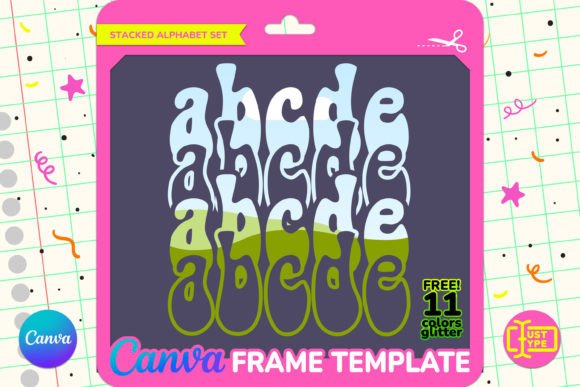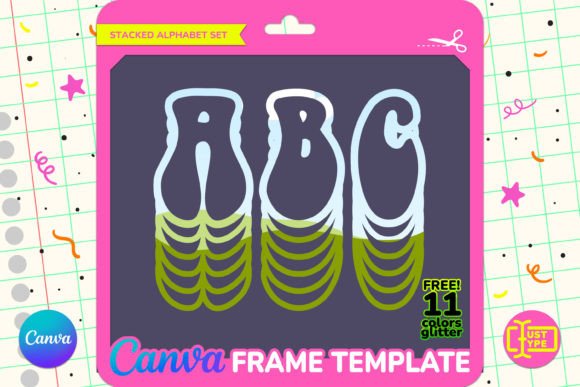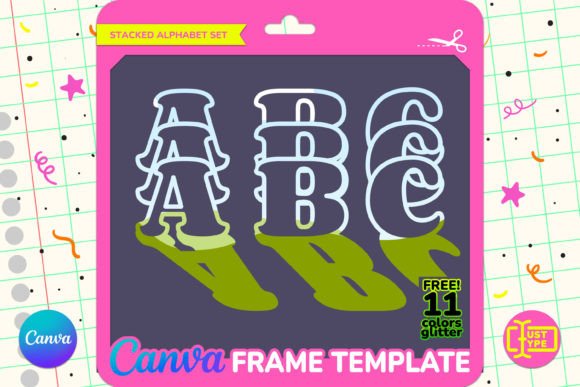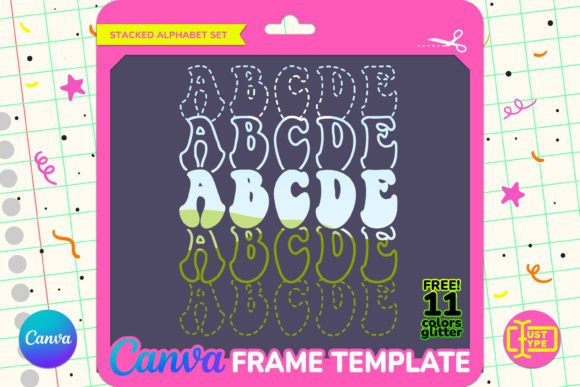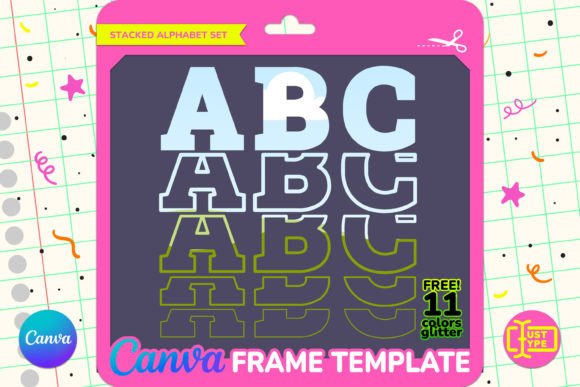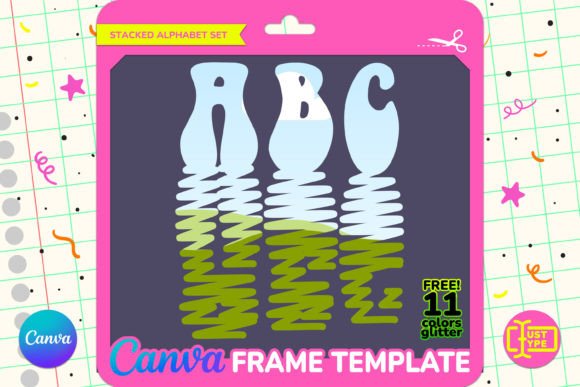
Disco Retro Stacked Canva Frame Template Review
As a designer who has spent years stitching custom pieces for clients and running my own small shop, I know that the difference between a good design and a great finished product often comes down to how well it translates from screen to fabric. When I first laid eyes on the Disco Retro Stacked Canva Frame Template, I immediately thought about the potential for a high-energy, nostalgic piece. The concept of stacking letters within a retro frame is visually striking, but in the world of machine embroidery, visual appeal is only half the battle. The real question is: will this hold up under the needle?
The template promises an intuitive drag-and-drop experience, allowing users to customize patterns or images directly into the letters. For a digital graphic, this is excellent. But when we talk about turning this into a physical item like a custom embroidered tote bag or a boutique sweatshirt, we have to look closer at the geometry. The stacked nature of the letters creates a compact block, which is fantastic for smaller hoops, yet it demands precision when converting to stitch files. My initial assessment suggests this design belongs firmly in the realm of fun, statement pieces rather than subtle, minimalist branding.
Bringing the Vibe to Life: A Real-World Scenario
Let me walk you through a specific project scenario where I would consider using the Disco Retro Stacked Canva Frame Template. Imagine a client request for a set of matching aprons for a local coffee shop that wants to highlight their "Retro Vibes" Saturday mornings. They want something bold, colorful, and instantly recognizable. This is where the stacked layout shines.
Instead of a long, horizontal text line that might get lost on a wide apron chest, the stacked frame allows the design to sit as a cohesive focal point right over the pocket area. I envision filling those letters with a vibrant sequin pattern or a dense fill stitch in electric blue and hot pink against a black twill fabric. The retro theme naturally invites playful thread colors and perhaps even a satin stitch border to give it that glossy, vintage feel. If executed correctly, this design transforms a standard work apron into a conversation starter, boosting the perceived value of the handmade product.
However, the same energy makes it perfect for holiday gifts or nursery decor. Think of a baby onesie with the word "BABY" stacked inside a disco ball frame. It adds a whimsical touch that parents love, provided the lettering remains legible after washing. The key here is balancing the aesthetic flair with the technical constraints of embroidery.
Performance on Different Fabrics and Garments
In my experience evaluating embroidery files, the success of a design often hinges on the substrate. The Disco Retro Stacked Canva Frame Template works best on stable, medium-to-heavy weight fabrics. Tote bags made of canvas or denim are ideal candidates because they can handle the density required for the stacked letters without puckering. Similarly, cotton sweatshirts offer a smooth surface that allows the intricate details of the frame to pop.
When considering custom apparel like t-shirts, the stretch of the knit fabric becomes a factor. While the design can work, it requires careful hooping and potentially a cutaway stabilizer to prevent distortion during the stitching process. The stacked format actually helps here by keeping the design compact, reducing the amount of movement needed across the garment. For caps and hats, the curved surface presents a challenge. The stacked letters might need to be adjusted slightly to follow the curve of the visor, otherwise, the letters could look warped or uncomfortable against the head.
I also see this design having a strong presence in home goods. Pillow covers and kitchen towels benefit from the bold, graphic nature of the retro style. The texture of a tea towel can add depth to the stitches, making the fill areas look richer. However, for delicate items like baby clothes or thin linen, I would advise caution. The density of a stacked design can sometimes feel too heavy for lightweight materials, potentially causing the fabric to bunch or the stitches to sink into the weave.
Navigating Technical Challenges
Not every application is a perfect fit, and honest evaluation requires knowing where to draw the line. Small hoop sizes present a significant hurdle for the Disco Retro Stacked Canva Frame Template. Because the letters are stacked, the height of the design can quickly exceed the limits of a 4x4 inch hoop if not scaled down properly. If you attempt to force a large stacked design into a tiny hoop, you risk losing the integrity of the corners and the clarity of the inner details.
Textured fabrics, such as corduroy or heavy fleece, can also obscure fine details. The raised texture of the fabric competes with the texture of the stitches, making the design look muddy. In these cases, simplifying the design or choosing a smoother backing fabric is crucial. Furthermore, dark fabrics require a high contrast thread choice. If you use a light-colored fill stitch on a dark background without a proper underlay, the design may lack definition. Always test your thread color contrast before committing to a full run.
Another area requiring attention is the density of the stitch areas. Stacked designs often involve tight spacing between letters. If the stitch density is too high, the fabric can become stiff and prone to tearing, especially on stretchy materials. Conversely, if the density is too low, the design may look patchy. Checking the stitch density settings in your digitizing software is essential to ensure the final product feels professional and durable.
Design Notes for the Practical Designer
Before you upload any file to your embroidery machine, there are several practical steps to take to ensure success. First and foremost, always test the design on scrap fabric. This simple step can save you hours of frustration and wasted material. Use the same fabric and stabilizer combination you plan to use for the final project to gauge how the design behaves.
Review the stitch density carefully. If the design includes small details or tiny lettering, inspect them closely. Tiny elements often get lost in the stitching process, especially if the thread count is high. Consider using a running stitch for outlines to add crispness without adding bulk. For the main body of the letters, a fill stitch provides the best coverage, while satin stitch works well for borders or decorative accents.
Confirm the hoop size requirements early in the planning phase. If the design is too large for your intended hoop, you may need to resize it or split the design into multiple sections. Inspecting the design in black and white mockups can also help you visualize the contrast and balance before investing in expensive threads. Compare how the design looks on both light and dark backgrounds to ensure versatility.
Using the proper stabilizer is non-negotiable. For woven fabrics like canvas or denim, a tear-away stabilizer usually suffices. For knits like t-shirts or sweatshirts, a cutaway stabilizer is recommended to provide lasting support and prevent the design from distorting over time. Additionally, check whether the design works for both personal and commercial projects. Licensing terms vary, and selling finished items made from a digital template requires explicit permission.
Ultimately, the Disco Retro Stacked Canva Frame Template offers a dynamic foundation for creative entrepreneurs looking to add a splash of nostalgia to their product lines. Whether you are an Etsy seller creating personalized gifts or a craft business owner developing boutique branding, this design asset has the potential to elevate your offerings. By paying close attention to fabric selection, stitch density, and stabilization techniques, you can transform this digital graphic into a stunning, tangible masterpiece that customers will cherish.
Remember, the goal is not just to create something that looks good on a screen, but to produce a finished product that stands the test of time and wear. With thoughtful execution, the retro charm of this template can bring a unique personality to any embroidery project, from a custom hat to a family heirloom pillow cover.