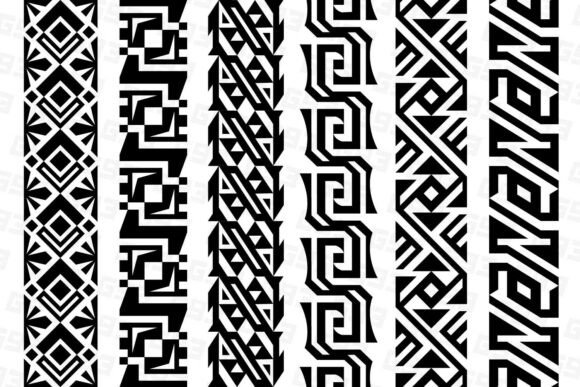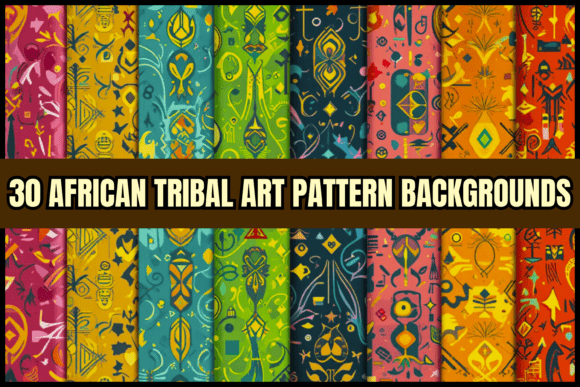
30 African Tribal Patterns Backgrounds Graphics
As a brand designer who has spent years helping local businesses find their visual voice, I approach every new asset with a mix of curiosity and skepticism. We are constantly bombarded with design resources that look great in a thumbnail but fail to perform under the pressure of real-world application. Recently, I had the opportunity to review 30 African Tribal Patterns Backgrounds, a collection intended for small business branding, product packaging, and promotional material use. My goal was to determine if these assets could genuinely elevate a local brand’s presentation or if they were merely decorative clutter.
First Impressions: Mood and Brand Personality
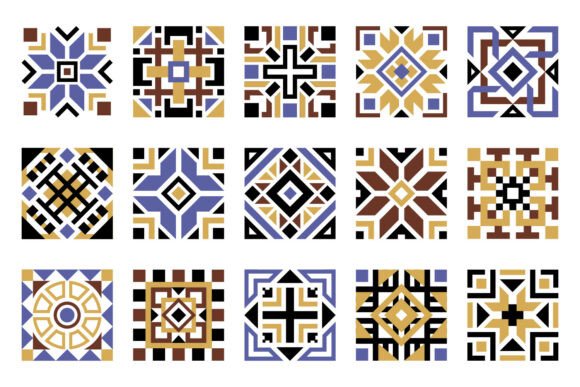
The immediate takeaway from this collection is its energy. African pattern backgrounds are vibrant, bold, and rich in cultural heritage. When you first open the folder, the visuals do not whisper; they speak with confidence. The patterns are inspired by traditional African textiles, beadwork, and tribal art, each carrying deep symbolic meaning that translates into strong visual storytelling. For a small business owner, this translates to a brand personality that feels grounded, authentic, and culturally aware.
In my evaluation, the mood created by these designs leans heavily towards the handmade, organic, and festive. They possess a warmth that digital graphics often lack. If you are running a boutique store selling artisanal goods, a food business specializing in global flavors, or a skincare brand rooted in natural ingredients, these patterns suggest an elegant yet playful aesthetic. They avoid looking overly corporate or sterile. Instead, they offer a rustic charm that resonates well with consumers looking for authenticity. However, designers must be mindful that "bold" does not always mean "easy to read." The vibrancy requires careful handling to ensure it supports rather than overwhelms the core message.
Real-World Application: From Bakery Boxes to Social Media
To test the true utility of this graphic design asset, I imagined applying it to a hypothetical local project: a mid-sized bakery launching a line of specialty cookies and a companion coffee blend. In this scenario, versatility is key. Can these patterns work across multiple touchpoints? The answer is yes, provided they are used strategically.
For product labels and packaging design, these backgrounds excel as accents. Imagine using a subtle geometric pattern from the set on the back of a cookie box to create texture without distracting from the flavor profile. The patterns can serve as a border or a watermark behind the text, adding depth to what might otherwise be a flat cardboard surface. This enhances shelf appeal and creates a stronger emotional connection with customers who appreciate detailed, thoughtful design.
Beyond physical products, the asset shines in digital spaces. For social media graphics, these patterns provide a consistent backdrop for promotional ads and announcements. A vibrant tribal motif can make a simple "New Arrival" post pop in a crowded Instagram feed. Similarly, for website banners and web design elements, these graphics can break up white space and guide the eye toward call-to-action buttons. They also work beautifully for printable design materials such as thank-you cards, hang tags, and stickers. A thank-you card featuring one of these intricate patterns immediately signals that the business cares about the unboxing experience, fostering customer trust and loyalty.
Elevating Business Presentation
Why does this matter for your bottom line? Using high-quality design assets like these directly impacts how your brand is perceived. A cohesive visual identity built around a strong theme like African tribal art helps establish a brand identity that is memorable. When a customer sees your pattern on a bag, then again on a social media post, and finally on a business card, the repetition builds recognition.
This consistency improves visual hierarchy. By using the pattern as a background element, you allow your typography and product photography to take center stage while still providing a textured frame. This leads to a more professional appearance. Whether you are creating marketing visuals for a seasonal campaign or designing editorial design layouts for a menu, these graphics add a layer of polish that generic templates cannot match. It signals to the market that you are serious about your craft, which is crucial for small business branding in competitive local markets.
Where the Asset Works Best
- Product Labels: As a textured background for ingredient lists or brand stories.
- Packaging Accents: On boxes, bags, and wraps to add premium feel.
- Hero Graphics: For website headers or landing page focal points.
- Decorative Brand Elements: Dividers, borders, and corner ornaments.
- Promotional Banners: For sales events, holidays, or grand openings.
- Thank-You Cards: To enhance the customer retention experience.
- Social Media Campaign Graphics: To maintain thematic consistency across posts.
Cautions and Strategic Placement
No single asset fits every brand. While these patterns are stunning, there are specific scenarios where they should be used carefully. They are generally unsuitable for formal corporate branding where minimalism and neutrality are required. Additionally, luxury minimalist brands might find the boldness too overwhelming unless scaled down significantly.
Designers must avoid placing these patterns in areas with heavy text density. Trying to overlay legible body copy on a complex tribal graphic often results in poor readability. This applies to legal information areas, ingredient lists, and nutritional facts. Furthermore, be cautious when using them on very small labels; at reduced sizes, intricate details can blur into a muddy mess. If your product packaging is already crowded with logos, photos, and text, adding another busy pattern will create visual noise rather than harmony. Always ensure there is enough contrast between the pattern and any overlaid text.
Practical Designer Notes for Implementation
Before integrating 30 African Tribal Patterns Backgrounds into your client work or personal projects, follow these practical steps to ensure quality and compliance.
- Test on Real Mockups: Never judge a pattern solely on a flat screen. Place it on 3D mockups of boxes, bottles, and t-shirts to see how it interacts with shadows and curves.
- Check Black and White Usage: Convert the pattern to grayscale to ensure it still provides texture and interest without relying on color alone.
- Preview on Small Labels: Zoom out to 10% size. If the pattern disappears or becomes indistinguishable, it may not work for tiny packaging applications.
- Test with Brand Colors: Ensure the pattern’s palette complements your existing brand colors. You may need to adjust hues in your editing software.
- Compare with Competitors: Look at rival packaging. Does your use of this pattern stand out, or does it blend in?
- Review File Formats: Inspect whether the files are PNG design files with transparency or SVG design files for vector scalability. Vector formats are preferable for large-scale printing.
- Font Pairing: Test the patterns alongside different font styles. They pair exceptionally well with bold serif fonts for a classic look, clean sans serif fonts for modern clarity, and sometimes script fonts for a handcrafted feel. Avoid overly decorative display fonts that compete with the pattern.
- Confirm Commercial Licensing: This is critical. Before using these assets for commercial design, physical product sales, or client branding, verify that the license allows for commercial use. Some creative marketplace items are restricted to personal use only.
In conclusion, 30 African Tribal Patterns Backgrounds is a powerful tool for designers and entrepreneurs seeking to infuse their brands with culture, color, and character. When applied with strategic restraint and attention to detail, these graphics can transform ordinary packaging and marketing materials into compelling brand experiences. For local businesses ready to make a bold statement, this collection offers a robust foundation for professional branding that connects deeply with customers.